Many of today's market leaders are still private.
EQUIAM is an investment firm managing funds focused on growth and late-stage technology companies. We systematically screen thousands of private companies, rigorously underwrite the strongest, and take high-conviction positions in proven market leaders.
Metrics as of the most recent reporting period. See important disclosures
Currently raising
Private Tech 30 Fund II →Selected positions

Fintech
The payments layer of the internet economy

AI
The frontier lab behind Claude

Data Analytics
Where enterprise data and AI workloads consolidate

Developer Infrastructure
The open-source backend layer for AI-era applications

Future of Mobility
Simulation and infrastructure for autonomous vehicle development

Developer Infrastructure
The deployment layer of the modern web
The growth now happens before the ticker
Thirty-four U.S. technology companies listed publicly in 2025, against a median of about 120 a year through the 1990s. Companies reach public scale years before any ticker exists, and the value created in those years accrues to whoever owned the shares privately. That window is what we invest in.
Source: Jay R. Ritter, University of Florida, Initial Public Offerings: Updated Statistics (2026), Table 4a. U.S. technology IPOs including direct listings, offer price $5.00 or greater. 2021 was the strongest year for listings in two decades at 126, about what a median year in the 1990s produced. The following year produced six.
How we work
From 2,600 companies to roughly thirty per fund
Leadership
Ex-Bridgewater, JP Morgan, Lehman, Forge, and Tribe Capital.

Built & sold Algebra Capital ($1.5B AUM)
MBA NYU Stern • Former JP Morgan

Architect of EQUIAM’s systematic model
Early Forge team • Notre Dame

$1B+ deployed across private markets
Ex-Lehman Bros • USC Marshall

Former Bridgewater & Tribe Capital
PhD Physics • MFE Cornell

Former Guggenheim & BNY Mellon
MBA NYU Stern • CFA Charterholder
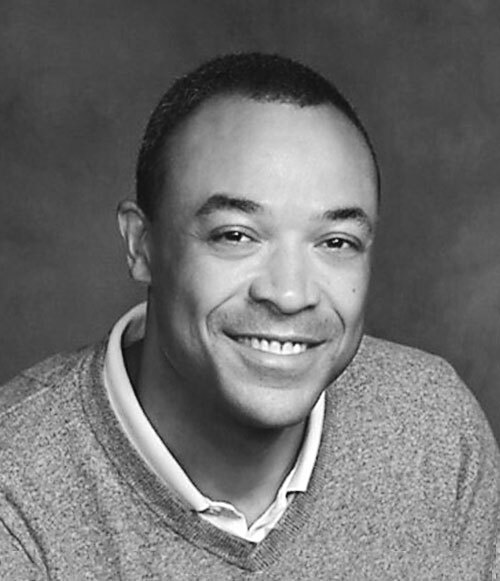
Former Allianz Global Investors Director
JD UC Berkeley • California Bar